Explore Recycling & Sustainability Topics
Switzerland's waste management landscape covers far more than the familiar glass and paper bins — it encompasses a detailed network of material-specific collection points, cantonal ordinances, and responsible disposal pathways for dozens of item categories. Ecorvanta's Explore section is organised thematically so you can quickly find guidance on whatever sustainability topic is relevant to your situation right now. Each topic area combines regulatory information with practical how-to advice, making it straightforward to move from understanding a rule to actually applying it in your daily life. We regularly add new topic areas as reader questions reveal gaps, and all existing content is reviewed to keep pace with Swiss regulatory changes. Dive into the areas below to start building a more complete picture of responsible eco living in Switzerland.
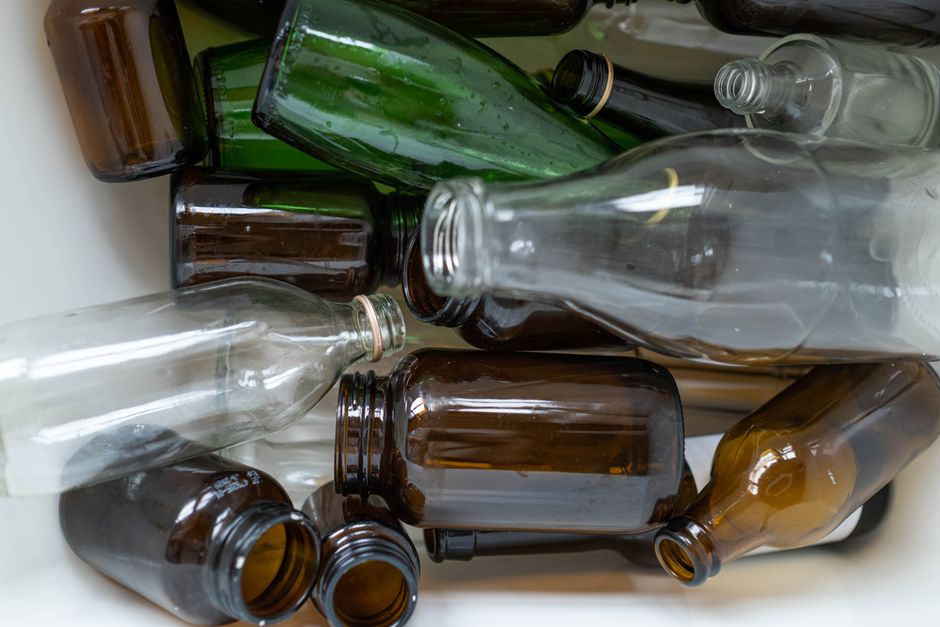
Glass & Bottles
Switzerland collects glass separately by colour — clear, green, and brown — and correct colour separation is essential for the glass to be recycled efficiently into new bottles and jars. Glass banks are available in virtually every Swiss neighbourhood and are free to use at any time outside of quiet hours. Ceramics, porcelain, and window glass are not accepted in glass banks and must go through alternative disposal routes.
Paper & Cardboard
Paper and cardboard are among the most straightforward materials to recycle in Switzerland, collected kerbside or at designated drop-off points depending on your municipality. Clean, dry materials are essential — greasy pizza boxes or wet cardboard degrade the quality of the recycled output significantly. Breaking down cardboard boxes and removing plastic windows from envelopes before disposal improves the material's recyclability.
PET & Plastic
PET bottles carry a dedicated return system in Swiss supermarkets, making them one of the easiest materials to recycle correctly. Other plastics vary considerably by municipality — some accept broader plastic collection while many still direct non-PET plastics to residual waste. Ecorvanta's canton lookup tool tells you exactly which plastics are accepted locally so you never have to guess.
Organic & Food Waste
Many Swiss municipalities now collect organic kitchen waste separately for composting or biogas production, diverting a significant weight of household waste from incineration. Accepted materials typically include vegetable peelings, coffee grounds, eggshells, and small amounts of paper towel. Home composting is also widely encouraged and supported by many cantons through subsidised equipment schemes.
Electronics & E-Waste
Switzerland's SENS eRecycling and Swico Recycling systems mean that most consumer electronics can be returned free of charge to retailers and designated collection points. This includes everything from smartphones and laptops to kitchen appliances and power tools. Never dispose of electronics in household waste — batteries and circuit components contain materials that contaminate incineration residues.
Batteries & Light Bulbs
Used batteries must be collected separately and can be dropped off at collection containers found in supermarkets, petrol stations, and municipal facilities throughout Switzerland. Energy-saving bulbs and fluorescent tubes contain small amounts of mercury and must follow the same separated disposal path as batteries. Standard incandescent bulbs that are no longer sold in Switzerland can go into residual waste.
Medicines & Chemicals
Unused or expired medicines should never be flushed down the drain or placed in household waste, as pharmaceutical compounds can pass through water treatment and affect aquatic ecosystems. Swiss pharmacies are obliged to accept returned medicines free of charge, making responsible disposal straightforward. Household chemicals such as paint, solvents, and cleaning agents must be taken to cantonal hazardous waste collection events or permanent drop-off facilities.
Energy-Efficient Appliances
Choosing appliances with high energy efficiency ratings significantly reduces a household's electricity consumption over the product's lifetime, which in Switzerland translates to a lower carbon footprint given the country's energy mix. The Swiss Energy label provides a clear A–G scale that makes comparison between products straightforward at the point of purchase. Replacing an old refrigerator with an A-rated model can cut its energy use by more than half.
Water Conservation at Home
Swiss tap water is among the highest quality in the world and is supplied through highly efficient infrastructure, but household water consumption still represents a meaningful environmental variable. Installing low-flow taps and showerheads, fixing dripping fixtures promptly, and collecting rainwater for garden irrigation are all practical steps that reduce consumption without affecting daily comfort. Shorter showers and full washing machine loads are two of the highest-impact behaviour changes available to any household.
Reducing Single-Use Packaging
Packaging accounts for a large proportion of Swiss household waste by volume, and reducing it at the point of purchase is more effective than recycling after the fact. Choosing products with minimal or home-compostable packaging, using reusable bags and containers, and buying from zero-waste refill shops where available all cut packaging waste significantly. Planning meals and shopping lists carefully also reduces food waste, which is itself a major but often overlooked component of household environmental impact.